Fermentation Guide
Fermenter's Secret: Why Raw Honey Matters for Fermentation
If your ginger bug, mead, or fermented honey soda has gone flat, the honey may be the culprit. Here's why live, raw honey is the only kind that truly ferments.
Pro Tip for Home Fermenters & Soda Makers
If you have ever tried making fermented ginger honey, mead, or a wild ginger bug and ended up with a flat, inactive jar, your honey might be the culprit!
Commercially processed or ultra-pasteurized honey is heated to high temperatures and fine-filtered. While this keeps liquid honey clear on store shelves forever, it strips away the natural wild yeasts, enzymes, and beneficial microbes.
For active fermentation, you need live, raw, unpasteurized honey.
Why raw honey ferments and processed honey doesn't
- Raw honey is alive. It contains wild yeasts, pollen, and enzymes that can colonize a ferment and create natural carbonation.
- Pasteurized honey is sterile. High heat kills the microbes that would otherwise eat sugars and produce CO₂.
- Ultra-filtration removes pollen. Pollen and other micro-particles are starter nutrients for a healthy ferment.
- Our local raw honey is bottled completely unheated, preserving the natural micro-flora needed to kickstart a lively, bubbling ferment every single time.
Naturally Fermented Honey-Ginger Ale Base
Use this live ginger-honey ferment as the probiotic syrup base for homemade, naturally sparkling ginger ale.
Ingredients
- 8 oz (1 jar) Local Raw Honey
- ½ cup Organic Fresh Ginger, unpeeled and thinly sliced or diced
- 1 tbsp Fresh Lemon Juice (optional, for brightness)
- Sparkling Water / Club Soda (for serving)
How to Make It
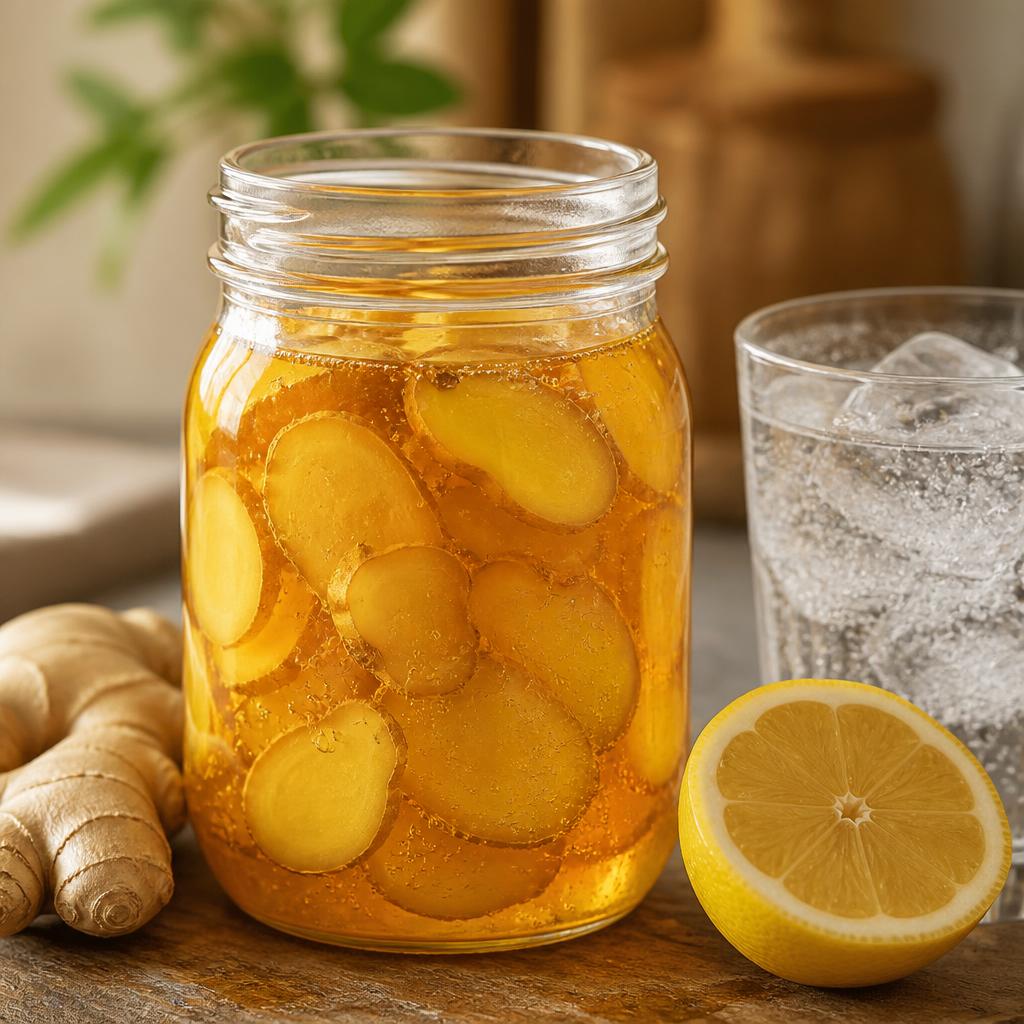
- Combine: Place sliced ginger into a clean glass pint jar and pour the raw honey over top, ensuring the ginger is completely submerged.
- Infuse & Ferment: Seal the jar loosely with a lid. Store at room temperature away from direct sunlight for 3 to 7 days.
- Turn Daily: Turn the jar upside down once a day to coat any floating ginger in honey. You will notice the honey become runnier as juice extracts from the ginger, followed by small bubbles forming — that is live fermentation in action!
- Serve: Stir 2–3 tablespoons of your fermented ginger-honey syrup into a glass of cold sparkling water over ice. Squeeze in a little fresh lime or lemon, and you have got real, probiotic ginger ale.
Fermentation safety notes
- Always use a clean glass jar and a clean, dry spoon.
- Seal the jar loosely — fermentation produces gas that needs to escape.
- If you see mold, an off smell, or any color that looks wrong, discard the batch.
- Never give honey (fermented or not) to children under 1 year old.