Honey Safety: Who Should Avoid It?
Raw honey is one of the most natural foods on earth — but there are a few people who should skip it. Here's the plain-English guide.
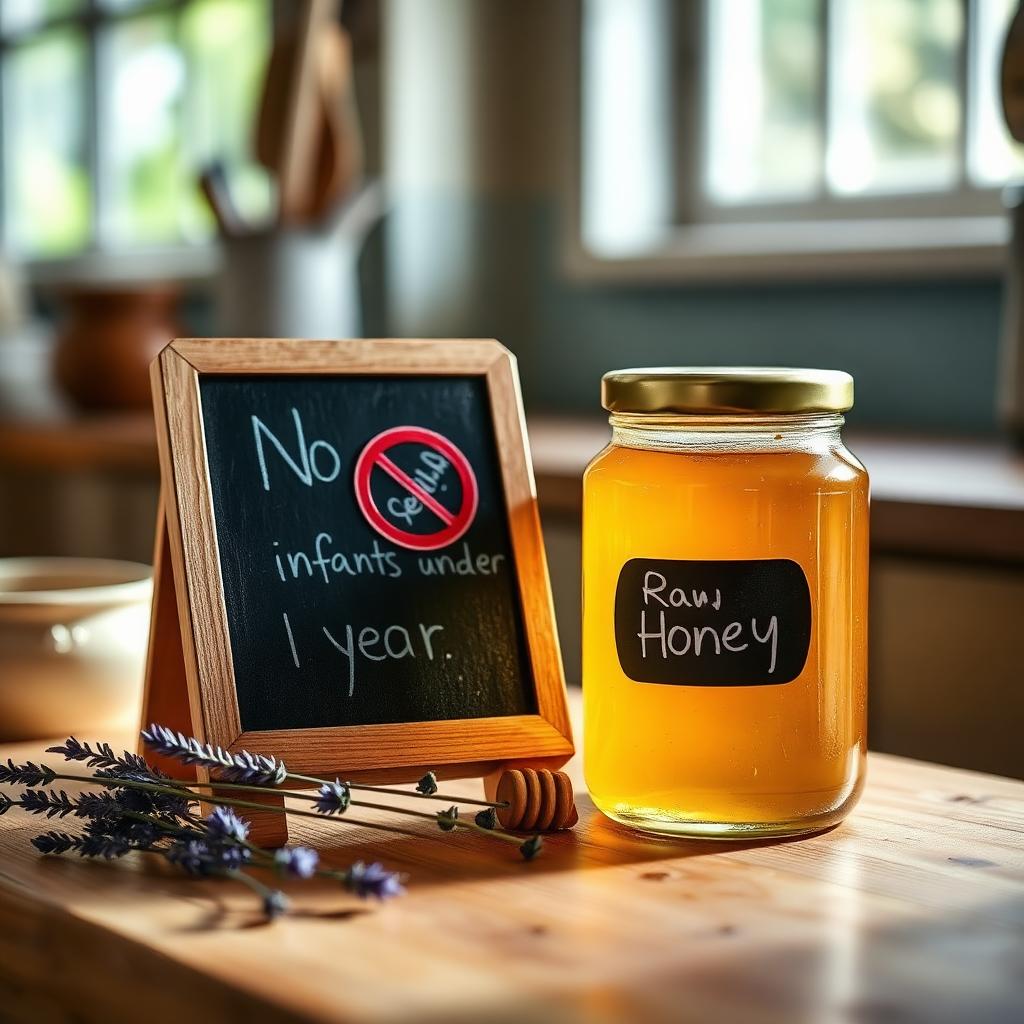
Never give honey to infants under 1 year
Honey can contain Clostridium botulinum spores. Adult and toddler guts handle these easily — an infant's does not, and the result is infant botulism. This applies to all honey: raw, filtered, pasteurized, cooked into food, or dabbed on a pacifier.
People managing diabetes
Honey is still sugar. A tablespoon has about 17g of carbohydrates and will raise blood glucose. It has a slightly lower glycemic index than table sugar and comes with trace minerals and antioxidants, but it should be counted, measured, and discussed with your care team.
Severe pollen or bee-sting allergies
Raw honey contains trace pollen — that's part of what makes local honey helpful for many people with mild seasonal allergies. But for anyone with a diagnosed severe pollen or venom allergy, introduce it cautiously and talk to your allergist first.
Also worth knowing
- Immunocompromised individuals — check with your doctor before adding raw honey to your diet.
- Strict calorie or sugar restriction — honey is calorie-dense (about 60 kcal per tablespoon).
- Dental health — like all sugars, honey feeds cavity-causing bacteria. Rinse after enjoying it straight.
For everyone else — most kids over 1, most adults, most seniors — raw honey is one of the safest, most rewarding foods you can keep in the pantry.